
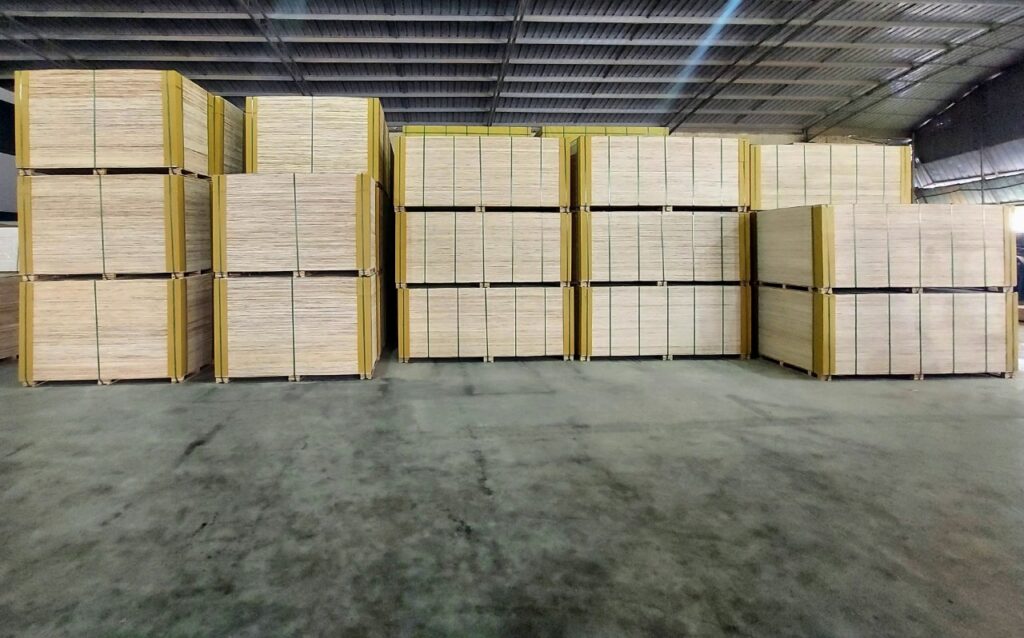
The lower price of plywood from Vietnam compared to other countries can be attributed to several factors:
- Lower Labor Costs: Vietnam generally has lower labor costs compared to many other countries, including those in North America and Europe. This can significantly reduce the overall production cost of plywood, as labor is a major component of manufacturing expenses.
- Abundant Raw Materials: Vietnam has abundant sources of raw materials such as timber, particularly fast-growing species like acacia and eucalyptus. Access to these materials locally reduces transportation costs and enables manufacturers to produce plywood at a lower cost.
- Economies of Scale: Many plywood manufacturers in Vietnam operate on a large scale, benefiting from economies of scale. Producing plywood in bulk allows them to spread fixed costs across a larger output, resulting in lower unit costs.
- Government Policies and Incentives: The Vietnamese government may offer incentives or subsidies to support the timber industry, which can further reduce production costs for plywood manufacturers. Additionally, favorable trade agreements or tariff structures may contribute to competitive pricing for Vietnamese plywood in international markets.
- Efficient Production Processes: Plywood manufacturers in Vietnam may employ efficient production processes and technologies to streamline operations and minimize costs. This efficiency can lead to cost savings that are passed on to customers in the form of lower prices.
- Competition: The plywood industry in Vietnam is highly competitive, with numerous manufacturers vying for market share. This competition can drive prices down as companies seek to attract customers with competitive pricing strategies.
A combination of factors such as lower labor costs, abundant raw materials, economies of scale, government support, efficient production processes, and competitive market dynamics contributes to the relatively cheaper price of plywood from Vietnam compared to other countries.